

Understanding workers’ compensation is essential for construction workers, especially women, who are breaking barriers in a traditionally male-dominated industry while facing the same high risks of workplace injuries. This type of insurance provides crucial financial and medical support, ensuring that injured workers can recover and swiftly return to work without undue financial burden. Employers must adhere to legal obligations to offer this coverage, promoting safety, compliance, and an inclusive environment on construction sites.
By recognizing top risks, such as falls and equipment mishandling, and following proper claims processes, both workers and employers can ensure a secure, supportive environment. Staying informed and proactive can significantly mitigate potential hazards and legal complications.
Key Highlights
- Workers’ compensation is essential in construction due to high injury risks on job sites for both men and women.
- Comprehensive workers’ comp policy provides financial and medical benefits, crucial for construction safety.
- Reporting injuries promptly and following up ensures valid workers’ comp claims.
- Not all employers are required by law to have workers’ compensation; regulations vary by state.
- Falls and equipment mishandling are top risks in construction, requiring strict safety protocols.
Understanding Workers’ Compensation in the Construction Industry
In the often hazardous world of construction, understanding the ins and outs of workers’ compensation is essential for both employees and employers. Construction workers face unique risks that require comprehensive coverage to ensure their safety and financial security. Workers’ compensation is essential for protecting construction workers and ensuring their safety on the job. It plays a critical role in covering unexpected site accidents and provides financial security for workers. Understanding its importance helps employers prioritize the well-being of their teams and maintain a safer workplace.
| Section | Description |
| Introduction | Overview of workers’ compensation, its importance in the construction industry, and basic principles. |
| Eligibility Criteria | Details on who qualifies for workers’ compensation, including employees versus contractors, and common eligibility requirements in the construction sector. |
| Types of Covered Incidents | Explanation of accidents, injuries, and illnesses covered under workers’ compensation policies in construction. |
| Filing a Claim | Procedures for reporting and filing a workers’ compensation claim, including timelines and necessary documentation specific to construction workers. |
| Benefits Offered | Outline of benefits such as medical care, temporary and permanent disability payments, rehabilitation costs, and death benefits for the construction workforce. |
| Employer Responsibilities | Obligations of construction employers, including providing a safe workplace and maintaining workers’ compensation insurance. |
| Employee Rights | Detailed information on rights entitled to employees under workers’ compensation laws within the construction industry. |
| Common Disputes and Resolutions | Typical issues and disputes that arise in workers’ compensation claims in construction and methods for resolving them. |
| Impact of Violations | Consequences and penalties for non-compliance with workers’ compensation regulations by construction firms. |
| Case Studies | Examples of notable workers’ compensation cases in the construction industry and lessons learned. |
| Legislative Framework | Overview of state and federal laws governing workers’ compensation in the construction sector. |
| Future Trends | Discussion on emerging trends, technological impacts, and future changes in workers’ compensation for the industry. |
Why Construction Workers Need Workers’ Compensation
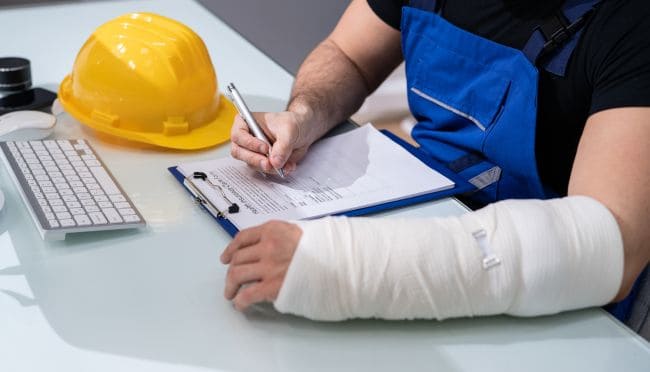
Construction workers face an array of potential hazards every time they step onto a job site, making workers’ compensation a critical necessity. With the physical nature of construction labor, there’s always a risk of injury from falls, equipment mishandling, or unexpected accidents. Workers’ compensation is designed to shield workers by providing essential financial support and medical care coverage, enabling them to recover without enduring undue financial stress.
Employers must recognize their part in protecting their employees and the benefits of maintaining robust insurance policies. Regrettably, not all employers are aware of the legal obligations linked with workers’ comp, which can lead to compliance issues. Therefore, construction sites should implement rigorous safety protocols while making workers’ compensation a top priority. By doing so, they not only fulfill their legal requirements but also promote a safer, more secure working environment for everyone involved.
High Risk of Injury: Construction sites are inherently hazardous environments where workers are exposed to a variety of risks, including falls, heavy machinery accidents, and exposure to harmful substances.
Financial Protection: Workers’ compensation provides financial support to cover medical expenses and lost wages for injured workers, ensuring they are not left in a precarious financial situation.
Legal Requirement: In many regions, employers are legally required to provide workers’ compensation to protect employees from the financial impact of work-related injuries or illnesses.
Rehabilitation Support: Coverage often includes access to rehabilitation services, helping workers recover and return to work as soon as possible.
Peace of Mind: Knowing that workers’ compensation is in place gives workers peace of mind, allowing them to focus on their tasks without worrying about the financial implications of an injury.
Encourages Safe Practices: The presence of workers’ compensation can motivate employers to adhere to safety regulations and implement best practices to prevent accidents.
Comprehensive Coverage: It usually covers a broad range of scenarios, from immediate injuries to long-term occupational diseases, providing comprehensive protection to workers.
Reduces Legal Disputes: By having workers’ compensation systems in place, there is a reduced likelihood of legal disputes between employers and employees concerning workplace injuries.
Supports Families: In case of severe injuries or fatalities, workers’ compensation can provide crucial support to the families of workers, ensuring they are cared for financially.
Promotes Workplace Morale: Assurance of financial protection in case of an accident can boost morale and productivity among the workforce.
Empowering Women in the Workforce
Women continue to play a pivotal role in shaping industries and driving innovation. However, challenges like workplace inequality, lack of mentorship, limited access to leadership opportunities, and insufficient consideration of gender-specific needs in workers’ compensation coverage remain barriers. Addressing these gaps is crucial. Ensuring that workers’ compensation policies are tailored to cover issues that disproportionately affect women, such as maternity-related conditions or injuries common in female-dominated industries, is a vital step forward. It’s essential to create environments that empower women through professional development, equal pay, mentorship programs, and comprehensive workers’ compensation coverage. By supporting women in their career journeys, we not only promote fairness but also unlock the full potential of diverse talent in the workforce.
Essential Workers’ Compensation Coverage for Construction Workers

Construction sites are inherently risky, demanding comprehensive insurance policies to protect all parties involved. Workers’ compensation insurance is a legally required protection that ensures construction workers receive necessary compensation benefits if they’re injured on the job. This coverage not only provides financial benefits but also includes medical expenses, supporting workers in their recovery process.
Proper workers’ comp policies are essential for contractors and companies to avoid legal issues and ensure a safer work environment. Understanding the necessary insurance policies for construction sites and the key aspects of coverage is critical for maintaining compliance and protecting workers.
What Insurance Policies Are Required for Construction Sites?
Insurance on construction sites encompasses several types, with workers’ compensation being the most critical. This policy is mandated nationwide, ensuring that injured workers receive medical and financial benefits. Construction workers face daily risks like falls, equipment accidents, and more. Therefore, securing a comprehensive workers’ comp policy is vital. Contractors must align their practices with legal requirements, ensuring that workers’ compensation is a priority, along with other liability coverage. Additionally, general liability insurance is often required to protect against property damage or third-party injury claims. By embracing these insurance policies, employers create a safer work environment, safeguarding their workforce and their business investments.
The Process of Claiming Workers’ Comp Benefits
Securing workers’ comp benefits is a crucial step for injured construction workers to ensure they receive necessary support for recovery. Understanding the process from the moment of injury can mitigate stress and confusion, allowing workers to focus on healing. After an injury, it’s vital for the worker to report the incident promptly, keep detailed records, and follow medical advice meticulously. This process ensures valid claims that are acknowledged swiftly, securing the worker’s entitlement to both medical care and financial compensation. Such diligence safeguards their rights and streamlines the claims process for all involved parties.
Legal Obligations for Employers in the Construction Sector
Employers in the construction sector have a myriad of legal obligations, particularly regarding workers’ compensation and liability coverage. Ensuring proper insurance is crucial to protect workers and shield employers from potential legal consequences. Employers are required to carry workers’ compensation insurance, shedding light on the regulatory landscape and what it means for both workers and contractors in the construction industry.
Steps to Take After a Construction Worker Suffers an Injury
After an injury occurs on a construction site, the first step for the injured worker is to immediately notify their employer to initiate the workers’ comp claims process. This prompt action is crucial in ensuring that there are no delays in receiving benefits. The worker should also document the incident meticulously, including any witness accounts and photographic evidence if possible. Seeking immediate medical attention is essential, not only for their health but also to keep a record of the injuries sustained, which plays a significant role in the claims process.
- Ensure the immediate safety of the injured worker and the surrounding area.
- Contact emergency services if the situation requires urgent medical attention.
- Provide first aid to the injured worker if trained and necessary.
- Notify a supervisor or on-site manager of the incident immediately.
- Document the incident with detailed descriptions and where possible, photographs.
- Obtain and keep records of any witnesses or coworkers who saw the incident.
- Ensure the worker receives appropriate medical care and assessment.
- Complete necessary incident reports as required by company policy and law.
- Communicate with the injured worker’s family and provide updates as necessary.
- Review and assess any potential hazards that may have contributed to the incident.
- Implement corrective actions to prevent future incidents of a similar nature.
- Follow up with the injured worker regarding their recovery and return-to-work timeline.
- Maintain regular communication with medical professionals, if applicable.
- Consult legal or insurance advisors, if deemed necessary by the severity of the injury.
- Evaluate and revise safety protocols and training programs as needed.
- Ensure compliance with workplace safety and health regulations throughout the process.
Following these steps, the injured worker should collaborate with their employer and their insurance company’s claims adjuster, providing all necessary documentation and details. By adhering to these requirements, the worker maximizes their likelihood of a successful claim and expedites their access to the essential benefits. Throughout this process, maintaining regular communication with both medical providers and the employer ensures that all involved parties remain informed of the worker’s condition and needs. This proactive approach helps substantiate the claim, making the outcome more favorable for the injured worker, and underscores the importance of understanding compensation protocols.
Do All Employers Have Workers’ Compensation?
Not all employers are mandated to have workers’ compensation insurance, but it’s a crucial component of liability protection in the construction sector. Regulations vary by state, yet the underlying theme is the assurance of protection for employees in the case of a workplace injury. Most laws require employers to provide coverage to protect both themselves and their workers from financial loss due to injuries sustained on the job.
In construction, where the risk of injury is higher, adherence to these legal requirements ensures that employees receive comprehensive support without financial strain. Despite these variations, the core objective remains consistent: safeguarding workers through mandatory insurance. Additionally, coverage benefits extend to medical expenses and lost wages, offering invaluable security to both employers and employees involved in construction projects.
Common Risks and Compliance for Women in the Construction Workplace
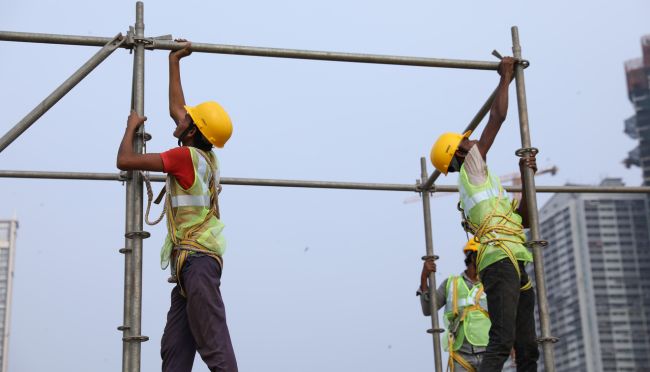
Construction sites pose unique challenges and risks for female workers, making strict adherence to safety and compliance measures essential to protect everyone involved. Understanding the specific risks faced by women in construction, such as inadequate protective gear designed for female body types, workplace harassment, and exposure to unsafe environments, is crucial for implementing effective safety protocols. By addressing these risks and ensuring access to properly fitted equipment and inclusive safety measures, construction companies can create a safer and more equitable workspace. Additionally, fostering a culture of safety and compliance not only protects female workers but also promotes productivity and well-being across the workforce.
Top Risks Faced by Female Construction Workers
Construction work presents unique challenges and risks for women, who now make up a growing portion of the industry. Despite progress, safety concerns persist, many of which disproportionately impact female workers. Among the most significant risks are falls, the leading cause of injuries in construction. According to OSHA, falls accounted for roughly 36% of construction site fatalities in 2022, and women face additional barriers in accessing properly fitted safety harnesses and PPE designed for their body types, potentially increasing their vulnerability.
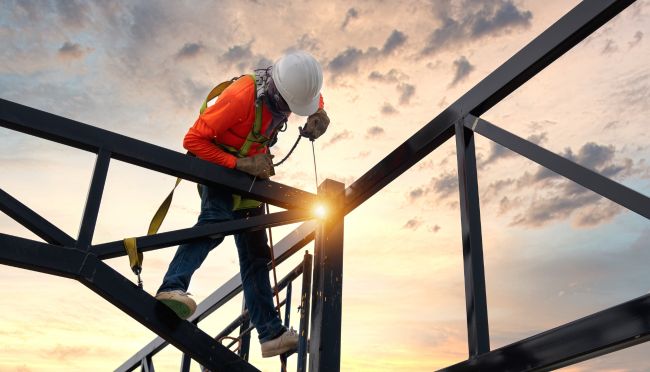
Ergonomic-related injuries are another critical issue, as construction tools and equipment are often designed with men’s physical dimensions in mind. This mismatch can lead to strain, overexertion, and repetitive stress injuries. A report by the National Institute for Occupational Safety and Health (NIOSH) highlights that 41.5% of injuries in construction are caused by overexertion, which may disproportionately affect women due to ill-fitted tools and machinery.
Women also face heightened risks of harassment on construction sites, creating unsafe work environments both physically and psychologically. The Equal Employment Opportunity Commission (EEOC) found that 60% of women in male-dominated industries, including construction, experience some form of workplace harassment, which can distract from safety protocols and increase the likelihood of accidents.
To address these issues, it’s essential for construction companies to provide properly fitted PPE, implement strict anti-harassment policies, and foster inclusive safety training that considers gender-specific risks. Understanding workers’ compensation is also crucial for women in the industry, ensuring access to financial support and medical care in the event of an injury. By addressing these challenges head-on, the construction industry can create a safer, more equitable environment for everyone.
FAQs
Why is workers’ compensation important for construction workers?
Workers’ compensation is crucial for construction workers due to the high risk of workplace injuries. This insurance provides essential financial and medical support, enabling injured workers to recover without undue financial burden and swiftly return to work.
What are the top risks for construction workers on job sites?
The top risks for construction workers include falls and equipment mishandling, which necessitate strict safety protocols and comprehensive insurance coverage to mitigate these hazards.
Are all employers required to have workers’ compensation insurance?
Not all employers are required by law to have workers’ compensation insurance; regulations vary by state. However, it is essential for providing protection against financial loss due to on-the-job injuries, especially in high-risk industries like construction.
What steps should an injured construction worker take after an accident?
After an accident, a construction worker should promptly notify their employer, document the incident thoroughly, seek immediate medical attention, and follow medical advice. These steps ensure a valid claim and expedite access to benefits.
How can construction companies reduce the risk of injuries on site?
Construction companies can reduce risks by implementing rigorous safety protocols, ensuring compliance with OSHA standards, providing proper training, and maintaining comprehensive insurance policies.